
How to Implement Effective DevOps Practices in Your Organization
Learn the key strategies for successful DevOps implementation that can transform your development process.

Samantha Chen
DevOps Engineer and Cloud Architecture Specialist with expertise in CI/CD and automation.
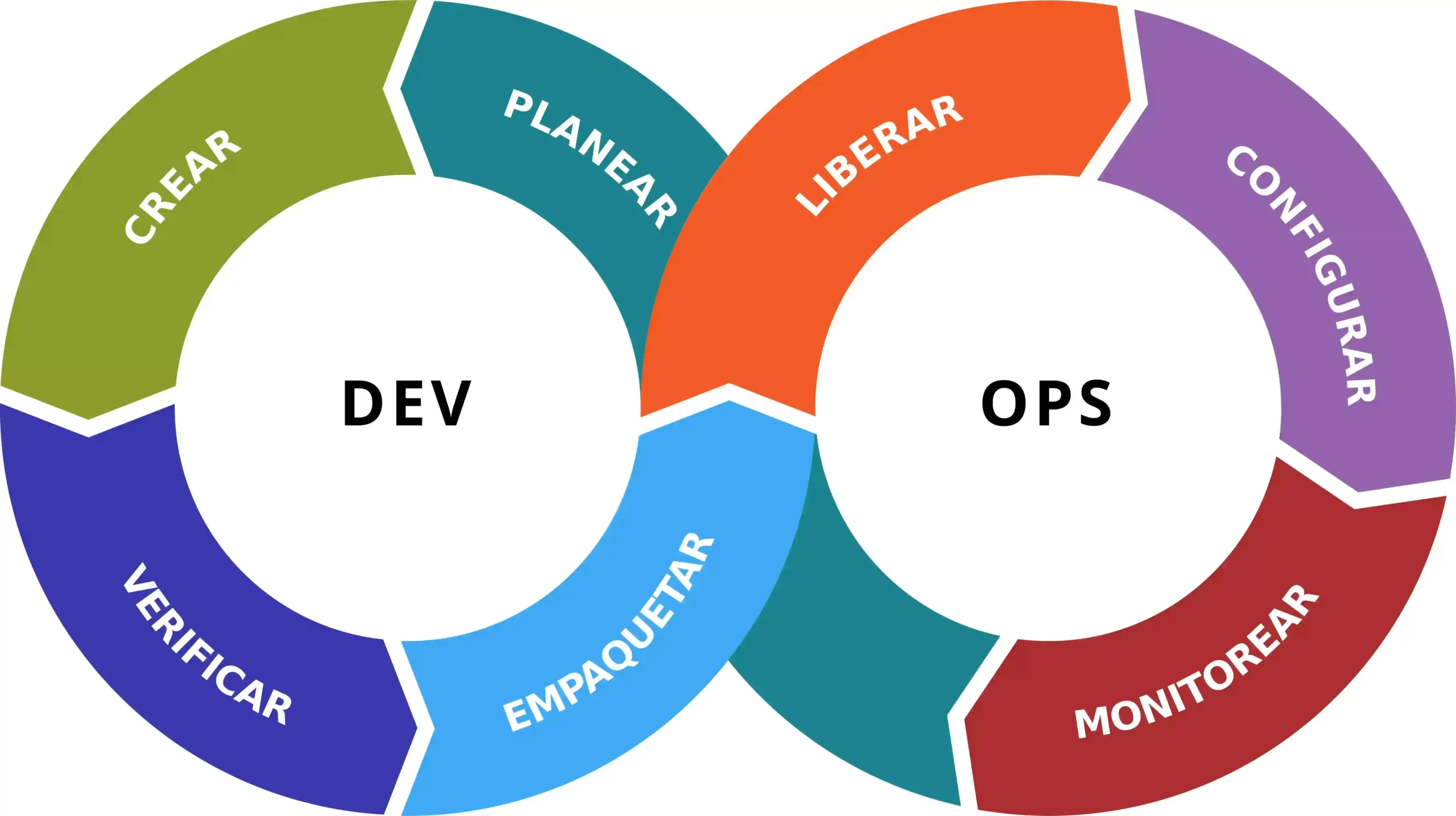
DevOps Implementation: A Complete Guide
DevOps has become essential for organizations looking to accelerate their software delivery while maintaining quality and reliability. Here's a comprehensive guide to implementing effective DevOps practices.
Understanding DevOps Culture
DevOps is more than just tools and processes—it's a cultural shift that requires:
- Collaboration between development and operations teams
- Shared responsibility for the entire software lifecycle
- Continuous learning and improvement mindset
- Automation-first approach to repetitive tasks
🎯 Key Success Factors
- Leadership support and commitment
- Cross-functional team collaboration
- Investment in training and tools
- Gradual implementation approach
Essential DevOps Practices
1. Continuous Integration (CI)
Implement CI to ensure code quality and early issue detection:
- Automated Builds: Every code commit triggers an automated build
- Automated Testing: Run unit, integration, and security tests
- Code Quality Checks: Static analysis and code coverage reports
- Fast Feedback: Immediate notification of build status
CI Pipeline Example
# .github/workflows/ci.yml
name: CI Pipeline
on: [push, pull_request]

jobs:
  test:
    runs-on: ubuntu-latest
    steps:
      - uses: actions/checkout@v2
      - name: Setup Node.js
        uses: actions/setup-node@v2
        with:
          node-version: '16'
      - name: Install dependencies
        run: npm ci
      - name: Run tests
        run: npm test
      - name: Build application
        run: npm run build
2. Continuous Deployment (CD)
Automate your deployment pipeline for consistent releases:
| Strategy | Description | Best For |
|---|---|---|
| Blue-Green | Two identical environments, switch traffic | Zero-downtime deployments |
| Canary | Gradual rollout to subset of users | Risk mitigation |
| Rolling | Update instances one by one | Resource-constrained environments |
3. Infrastructure as Code (IaC)
Manage infrastructure programmatically for consistency and reliability:
- Version-controlled infrastructure definitions
- Reproducible environments across stages
- Automated provisioning and scaling
- Reduced configuration drift
Terraform Example
# main.tf
resource "aws_instance" "web_server" {
  ami           = "ami-0c55b159cbfafe1d0"
  instance_type = "t2.micro"

  tags = {
    Name = "WebServer"
    Environment = "Production"
  }
}

resource "aws_security_group" "web_sg" {
  name = "web-security-group"

  ingress {
    from_port   = 80
    to_port     = 80
    protocol    = "tcp"
    cidr_blocks = ["0.0.0.0/0"]
  }
}
DevOps Tools Ecosystem
Version Control
- Git, GitHub, GitLab
- Branching strategies
- Code review processes
CI/CD
- Jenkins, GitHub Actions
- Azure DevOps, CircleCI
- Pipeline automation
Containerization
- Docker, Podman
- Kubernetes, OpenShift
- Container orchestration
Monitoring
- Prometheus, Grafana
- ELK Stack, Splunk
- Application monitoring
Implementation Roadmap
Follow this step-by-step approach for successful DevOps adoption:
📋 Phase-by-Phase Implementation
- Assessment (Week 1-2): Evaluate current processes and identify bottlenecks
- Culture (Week 3-4): Foster collaboration between teams
- Automation (Month 2-3): Start with simple automation wins
- Monitoring (Month 4): Implement comprehensive monitoring and logging
- Optimization (Ongoing): Continuously improve based on metrics
Measuring Success
Track these key metrics to measure DevOps effectiveness:
- Deployment Frequency: How often you deploy to production
- Lead Time: Time from code commit to production deployment
- Mean Time to Recovery (MTTR): Time to recover from failures
- Change Failure Rate: Percentage of deployments causing failures
"DevOps is not a destination, but a journey of continuous improvement. Start small, measure progress, and iterate on your practices."
- Samantha Chen, DevOps Engineer
Remember, DevOps transformation is a journey, not a destination. Focus on cultural change first, then gradually introduce tools and automation to support your improved processes.
Share this article
About the Author
Samantha Chen
DevOps Engineer and Cloud Architecture Specialist with expertise in CI/CD and automation.
Ready to start your project?
Let's discuss how our expertise can help you achieve your goals.